
Artemis II: A Bright Spot in Space and a Reminder of What Matters on Earth
- Quelling Remorse
- Apr 8
- 7 min read

LOUD DXB NEWS ROOM - SPACE STORIES
Introduction
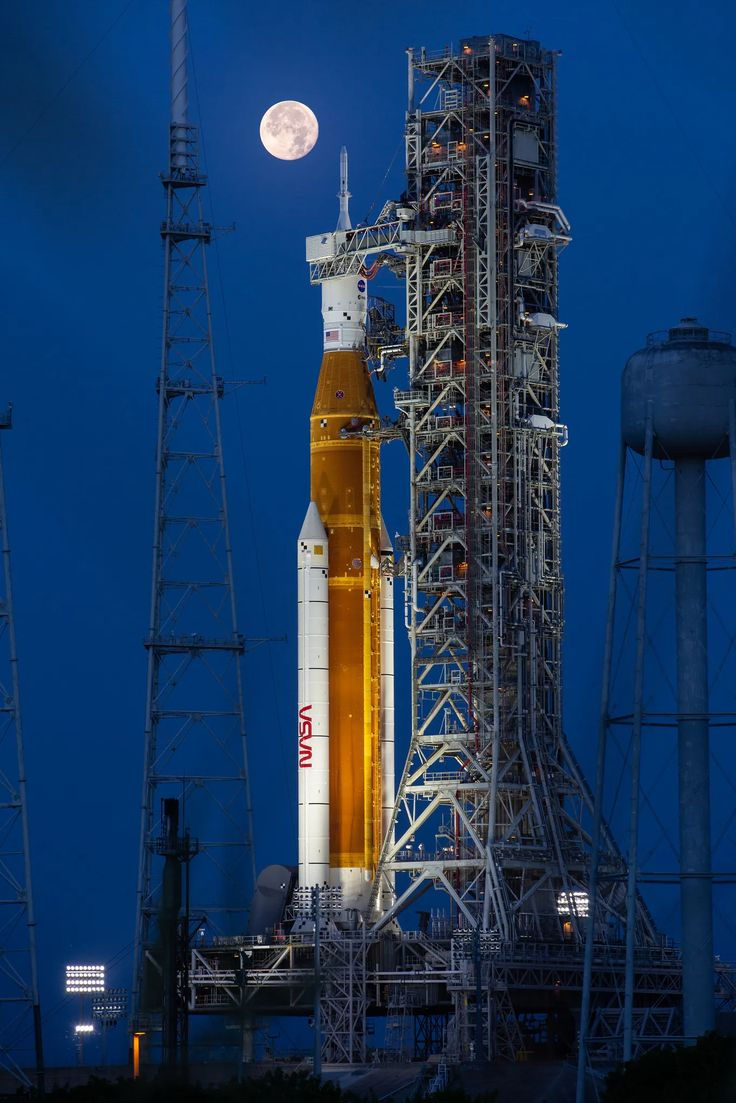
In April 2026, the Artemis II mission reminded the world that space exploration is not only about distance, technology, or records—it is about perspective. As astronauts traveled farther than any human in history, their journey revealed something deeper: even in the vast emptiness of space, humanity carries connection, memory, and meaning.
Will UAE Become The Hub Of Space Tourism?
YES
NOT CLOSE
The Farthest Journey Ever Undertaken
At approximately 252,756 miles from Earth, the Artemis II crew reached a distance that stretches beyond ordinary human comprehension. Yet, the defining moment of the mission was not the milestone itself—it was the message the astronauts shared before losing contact with Earth.
Rather than focusing on achievement, they spoke about connection. About love. About the people waiting for them back home. It was a reminder that no matter how far humanity travels, our emotional gravity still pulls us toward Earth.
40 Minutes of Silence
As the spacecraft passed behind the Moon, communication with Earth was completely severed. For 40 minutes, the crew existed in total isolation—no signals, no voices, only silence.
This moment represented the true scale of space. It was not just distance, but disconnection. And when communication was restored, it reinforced something fundamental: even across vast emptiness, humanity instinctively reaches back toward one another.
A Name Left on the Moon
During the mission, astronauts identified a bright feature on the lunar surface and named it “Carroll,” in memory of Carroll Wiseman. In a mission defined by advanced engineering and historic achievement, this quiet tribute stood out.
It transformed the Moon from a distant object into something personal. A place not just of exploration, but of remembrance. Even in space, humanity leaves behind stories—not just footprints.
Looking Back: The Apollo Era
To understand the significance of Artemis II, it is important to look back at the last time humans ventured to the Moon.
Between 1969 and 1972, NASA’s Apollo program achieved what was once considered impossible. Beginning with Apollo 11, humans first landed on the Moon, with Neil Armstrong and Buzz Aldrin becoming the first to walk on its surface. Over the course of six successful missions, twelve astronauts explored the Moon, conducted experiments, and returned valuable data to Earth.
The final mission, Apollo 17 in 1972, marked the last time humans set foot on the Moon. Since then, no human has returned—creating a gap of more than five decades.
Why Humans Stopped Going to the Moon
The absence of human missions to the Moon for decades was not due to a lack of capability, but a shift in priorities.
1. Political Motivation Declined
The Apollo missions were largely driven by the Cold War space race between the United States and the Soviet Union. Once the U.S. achieved its goal of landing humans on the Moon, the urgency diminished.
2. High Costs
Moon missions are extremely expensive. After Apollo, governments chose to allocate resources to other areas, including domestic programs and alternative space initiatives.
3. Focus Shift to Low Earth Orbit
Space agencies shifted their attention to projects closer to Earth, such as the Space Shuttle program and the International Space Station. These missions allowed for longer-duration research and international collaboration.
4. Technological and Strategic Evolution
Over time, robotic missions became more cost-effective for exploration. Probes and rovers could gather data without risking human life, reducing the need for crewed lunar missions.
Artemis: Why We Are Going Back
The Artemis program represents a new era of exploration. Unlike Apollo, which was focused on reaching the Moon first, Artemis is focused on staying.
Its goals include:
Establishing a sustainable human presence on the Moon
Preparing for future missions to Mars
Advancing scientific research and technology
Expanding international collaboration in space exploration
Artemis II, as a crewed mission orbiting the Moon, is a critical step toward these long-term ambitions.
The View That Changes Everything
Images captured during Artemis II show Earth as a small, luminous sphere rising beyond the Moon’s surface. These visuals reinforce a powerful truth: from a distance, the divisions that define life on Earth seem insignificant.
Yet space exploration exists within a complex reality. It is tied to national ambition, technological competition, and geopolitical strategy. The same innovations that enable exploration can also be used for power.
This duality reflects humanity itself—capable of both wonder and conflict.
What Space Reveals About Us
Space does not change who we are; it reveals it. When humans are placed in the vastness of space, far from everything familiar, what they reach for is not dominance or control—but connection.
For many observing Artemis II, the mission reignited a sense of awe. It reminded us that despite daily distractions and global tensions, humanity still possesses the capacity to wonder.
UAE and the Artemis Program
The UAE is also contributing to the future of lunar exploration through its involvement in NASA’s Artemis program. The country is working on developing components for the Lunar Gateway, a planned space station that will orbit the Moon and support future missions.
This collaboration places the UAE at the center of humanity’s return to the Moon. While Artemis II represents a symbolic journey, future missions will rely on international partnerships—making the UAE an important part of this new era of exploration.
Conclusion: A Bright Spot in the Darkness
Artemis II is more than a mission—it is a return. A return not just to the Moon, but to a sense of perspective that humanity has not experienced in decades.
Somewhere on the lunar surface, a bright feature now carries the name “Carroll.” It may not always be visible from Earth, but it remains—a quiet symbol of memory, love, and presence.
As humanity prepares to step onto the Moon once again, one truth becomes clear: no matter how far we go, the things that matter most will always travel with us.
In April 2026, the Artemis II mission reminded the world that space exploration is not only about distance, technology, or records—it is about perspective. As astronauts traveled farther than any human in history, their journey revealed something deeper: even in the vast emptiness of space, humanity carries connection, memory, and meaning.
The Farthest Journey Ever Undertaken
At approximately 252,756 miles from Earth, the Artemis II crew reached a distance that stretches beyond ordinary human comprehension. Yet, the defining moment of the mission was not the milestone itself—it was the message the astronauts shared before losing contact with Earth.
Rather than focusing on achievement, they spoke about connection. About love. About the people waiting for them back home. It was a reminder that no matter how far humanity travels, our emotional gravity still pulls us toward Earth.
40 Minutes of Silence
As the spacecraft passed behind the Moon, communication with Earth was completely severed. For 40 minutes, the crew existed in total isolation—no signals, no voices, only silence.
This moment represented the true scale of space. It was not just distance, but disconnection. And when communication was restored, it reinforced something fundamental: even across vast emptiness, humanity instinctively reaches back toward one another.
A Name Left on the Moon
During the mission, astronauts identified a bright feature on the lunar surface and named it “Carroll,” in memory of Carroll Wiseman. In a mission defined by advanced engineering and historic achievement, this quiet tribute stood out.
It transformed the Moon from a distant object into something personal. A place not just of exploration, but of remembrance. Even in space, humanity leaves behind stories—not just footprints.
Looking Back: The Apollo Era
To understand the significance of Artemis II, it is important to look back at the last time humans ventured to the Moon.
Between 1969 and 1972, NASA’s Apollo program achieved what was once considered impossible. Beginning with Apollo 11, humans first landed on the Moon, with Neil Armstrong and Buzz Aldrin becoming the first to walk on its surface. Over the course of six successful missions, twelve astronauts explored the Moon, conducted experiments, and returned valuable data to Earth.
The final mission, Apollo 17 in 1972, marked the last time humans set foot on the Moon. Since then, no human has returned—creating a gap of more than five decades.
Why Humans Stopped Going to the Moon
The absence of human missions to the Moon for decades was not due to a lack of capability, but a shift in priorities.
1. Political Motivation Declined
The Apollo missions were largely driven by the Cold War space race between the United States and the Soviet Union. Once the U.S. achieved its goal of landing humans on the Moon, the urgency diminished.
2. High Costs
Moon missions are extremely expensive. After Apollo, governments chose to allocate resources to other areas, including domestic programs and alternative space initiatives.
3. Focus Shift to Low Earth Orbit
Space agencies shifted their attention to projects closer to Earth, such as the Space Shuttle program and the International Space Station. These missions allowed for longer-duration research and international collaboration.
4. Technological and Strategic Evolution
Over time, robotic missions became more cost-effective for exploration. Probes and rovers could gather data without risking human life, reducing the need for crewed lunar missions.
Artemis: Why We Are Going Back
The Artemis program represents a new era of exploration. Unlike Apollo, which was focused on reaching the Moon first, Artemis is focused on staying.
Its goals include:
Establishing a sustainable human presence on the Moon
Preparing for future missions to Mars
Advancing scientific research and technology
Expanding international collaboration in space exploration
Artemis II, as a crewed mission orbiting the Moon, is a critical step toward these long-term ambitions.
The View That Changes Everything
Images captured during Artemis II show Earth as a small, luminous sphere rising beyond the Moon’s surface. These visuals reinforce a powerful truth: from a distance, the divisions that define life on Earth seem insignificant.
Yet space exploration exists within a complex reality. It is tied to national ambition, technological competition, and geopolitical strategy. The same innovations that enable exploration can also be used for power.
This duality reflects humanity itself—capable of both wonder and conflict.
What Space Reveals About Us
Space does not change who we are; it reveals it. When humans are placed in the vastness of space, far from everything familiar, what they reach for is not dominance or control—but connection.
For many observing Artemis II, the mission reignited a sense of awe. It reminded us that despite daily distractions and global tensions, humanity still possesses the capacity to wonder.
Conclusion: A Bright Spot in the Darkness

Artemis II is more than a mission—it is a return. A return not just to the Moon, but to a sense of perspective that humanity has not experienced in decades.
Somewhere on the lunar surface, a bright feature now carries the name “Carroll.” It may not always be visible from Earth, but it remains—a quiet symbol of memory, love, and presence.
As humanity prepares to step onto the Moon once again, one truth becomes clear: no matter how far we go, the things that matter most will always travel with us.


Comments